
Window Film for Privacy at Night in Peachland: Which Type Works

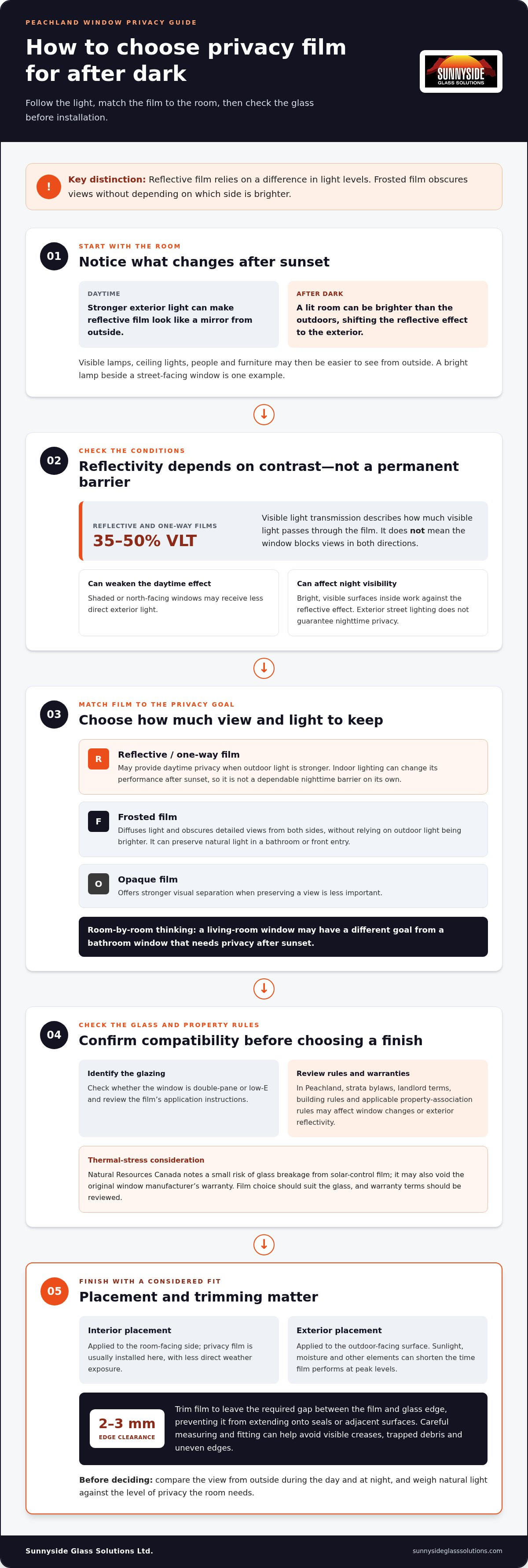
Mirrored film that provides privacy by day may reveal more than you expect after dark. For the best window film for privacy at night in Peachland, choose frosted or opaque film. Unlike one-way film, these options obscure the view rather than relying on brighter outdoor light.
One-way film can be appealing during the day, especially on street-facing windows. But when a room is brighter than the outdoors, people may be able to see inside, so the film alone isn’t a dependable nighttime barrier.
This guide explains how lighting changes one-way film’s performance and how frosted and opaque films differ when you want privacy after sunset. You’ll also learn how each option affects natural light, visibility and everyday use, so you can match the film to the room and the level of privacy you need.
Table of Contents
Does privacy window film work at night?
Reflective privacy film can provide privacy at night, but it doesn’t guarantee it when indoor lighting is brighter than outdoor light. For dependable privacy after dark, frosted film obscures views without relying on a difference in light levels.
Reflective film creates a mirror-like effect on the brighter side of the glass. During the day, stronger exterior light can make the window look reflective from outside, limiting views into the room. At night, the balance often reverses: a lit room appears brighter than the dark outdoors, and the reflective effect can shift to the exterior. Someone outside may then see in, especially when lamps or ceiling lights illuminate visible areas.
Light levels, direction and placement all matter. For example, a bright lamp beside a street-facing window can make people and furniture easier to see from outside, even if the glass looks mirrored during the day. Exterior street lighting may reflect on the glass, but it doesn’t guarantee nighttime privacy. A shaded or north-facing window may also receive less direct exterior light, weakening the daytime effect. Reflective films provide privacy through contrast, not through a permanent visual barrier.
Reflective and one-way films commonly have a visible light transmission (VLT) of 35-50%. VLT describes how much visible light passes through the film; it doesn’t indicate that the window blocks views in both directions. A lower-light interior can improve the reflective effect, while bright, visible surfaces inside can work against it. Directing light toward the window and away from passers-by’s line of sight can help, but other interior lights may still affect visibility.
Frosted film works differently: its translucent surface diffuses light and prevents a detailed view through the glass. It can preserve natural light in a bathroom or front entry while obscuring shapes and details from both sides. Unlike reflective film, frosted film doesn’t depend on the outdoor side being brighter. For anyone comparing the best window film for privacy at night in Peachland, that distinction is key: reflectivity depends on lighting, while frosting physically obscures the view.
In Peachland, strata bylaws, landlord terms and building rules may govern changes to windows. Local building codes and applicable property-association rules may also limit exterior reflectivity, so review the rules that apply to the property before choosing a reflective finish.
Film can increase thermal stress on glass, including some double-pane or low-E units. Natural Resources Canada notes a small risk of glass breakage and that solar-control film may void the original window manufacturer’s warranty. Identify the glazing type and existing warranty before selecting film. Choosing film suited to the glass and having it professionally installed can help manage this risk.
The right choice depends on the goal for each window. A living-room window that needs daytime reflectivity may suit a different film from a bathroom window requiring privacy after sunset. Compare the view from outside during the day and at night, and consider whether keeping natural light matters more than blocking the view entirely.
Professional installation and manufacturer warranties
Installation affects how film sits on the glass, while film choice can affect thermal stress and warranty coverage. Placement, edge fit and glazing type all matter, especially with mirror film or solar-control film.
Interior and Exterior Film Placement
Interior film is applied to the room-facing side of the glass, while exterior film is installed on the outdoor-facing surface. Privacy film is usually installed on the interior face, where it has less direct exposure to weather. Exterior installation can shorten the time film functions at peak performance because sunlight, moisture and other elements act on its surface. The correct placement depends on the film and window.
Professional Installation Compared with DIY
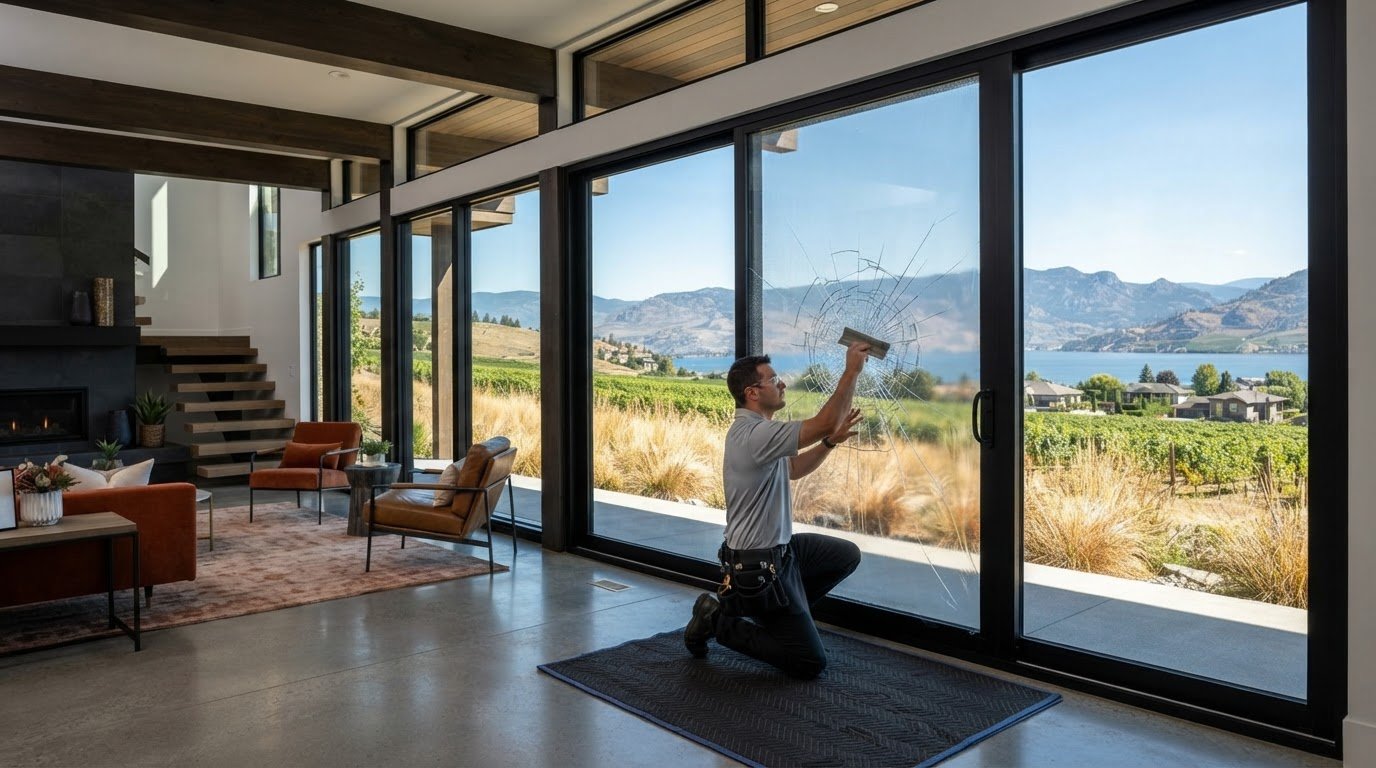
Professional installation involves careful handling and application, while DIY installation puts measuring, cutting and placement in your hands. A small error can leave visible creases, trapped debris or uneven edges across mirror film. Before applying film yourself, identify the glazing type and review the film’s instructions. Proper film selection and fit are especially important for large panes or windows with low-E glass.
Film Fit on the Window
Film fit means trimming the material to suit the glass while leaving the required clearance at its edges. Window film should be trimmed to leave a 2- to 3-millimetre gap between the film and the edge of the glass. This detail helps prevent the film from extending onto seals or adjacent surfaces. Accurate measurement also matters on narrow panes, where an uneven cut can be especially noticeable.
Warranty considerations involve both the window and the film. Natural Resources Canada notes that solar-control films carry a small risk of glass breakage from increased thermal stress and may void the original window manufacturer’s warranty. That risk matters with double-pane and low-E glass, where the glazing construction affects how added solar control interacts with the pane.
Before installation, identify whether the window is double-pane or low-E, then review the window warranty and the film’s application instructions. Keep the film documentation with the window records. If a warranty specifies limits on alterations or film use, those terms can guide your selection. Professional installation can help match the application to the glass and create a consistent edge, but it doesn’t change the warranty’s terms.
For windows where placement, fit or glass compatibility is a concern, professional window film installation offers a practical route to a measured application. The installer can account for the window’s surface and edge details, while the chosen film should suit the room’s privacy and light requirements.
Why one-way mirror films may not provide privacy at night
One-way mirror film changes how a window looks, but it doesn’t create a permanent screen. Its daytime privacy effect depends on which side has brighter light.
Daytime Privacy and Mirror Effects
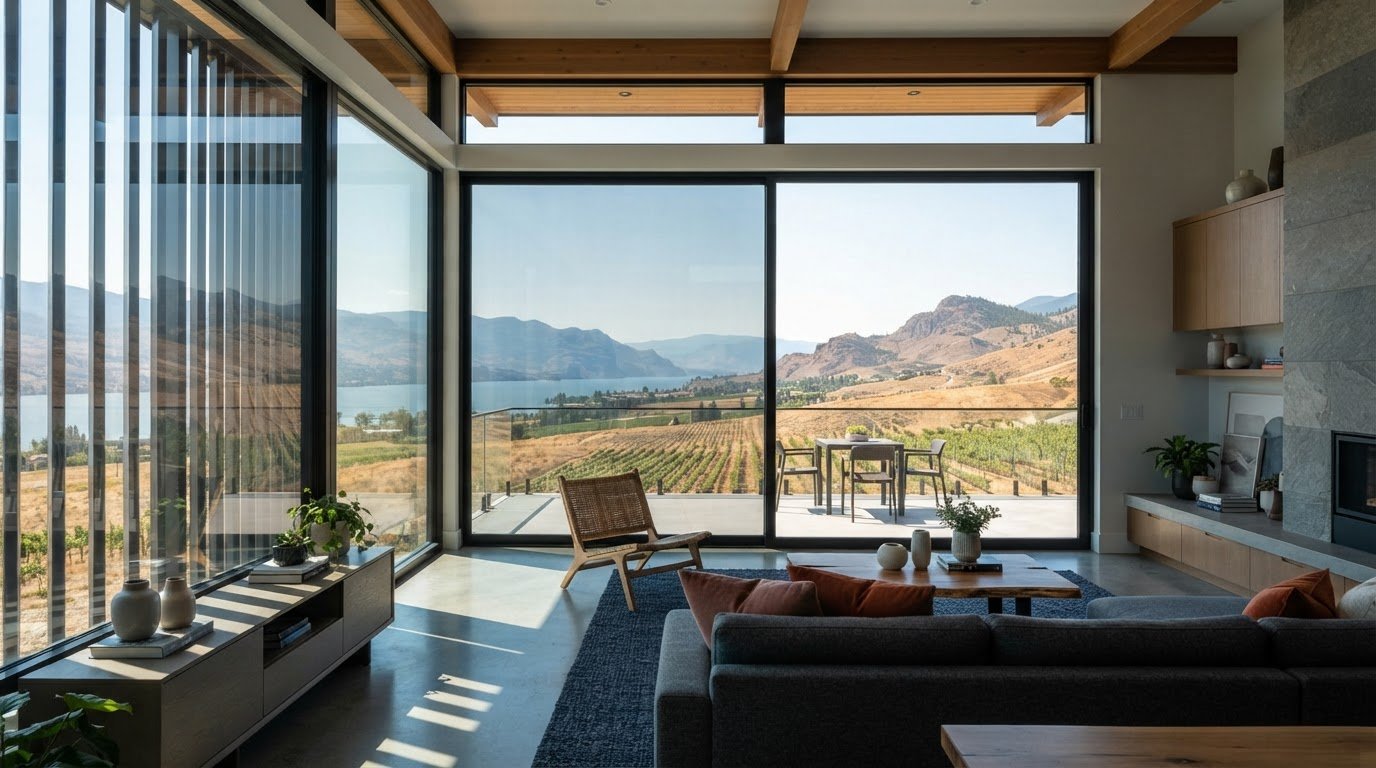
During the day, one-way film appears mirror-like on the brighter side of the window, often the exterior. Strong outdoor light reflects from the glass, making it harder for someone outside to see in. This can make mirror film useful for daytime privacy on street-facing windows. The effect depends on the difference between indoor and outdoor light, not on the film acting as a solid barrier.
For example, a shaded room facing a sunny street can look reflective from the sidewalk. If the exterior becomes darker while interior lights remain on, that same window can behave differently. The daytime appearance alone doesn’t show how much visibility the film provides after sunset. Consider both sides of the window and how their lighting changes through the day before treating reflective film as a privacy solution.
Nighttime Visibility Through Mirrored Film
At night, mirrored film can allow greater visibility into a building when the room is brightly lit and the outdoors is darker. A lit dining room, for instance, may become visible from the street even though the glass looked reflective earlier. The difference in light has reversed, changing which side sees more reflection. Streetlights can create reflections on the window, but they don’t guarantee privacy or prevent someone from seeing inside.
One-way tint doesn’t provide privacy for 24 hours. Closing blinds or curtains after sunset blocks the direct view through the window, while relying on the film alone leaves visibility dependent on lighting. A bright lamp near the glass can make the interior easier to see, so light placement matters. If nighttime privacy is essential, a physical covering offers a separate barrier when indoor lights are on.
One-Way Film Visibility
One-way film affects visibility by reflecting light and reducing the clarity of views through the glass. It doesn’t make one side permanently see-through and the other permanently hidden. During the day, someone outside may see a reflective surface while someone inside sees outdoors. At night, brighter interior light can shift the effect, making views into the room easier from outside.
Think about the window’s use and surroundings. A front room facing a busy sidewalk has different privacy needs from a bedroom facing a secluded yard. For a street-facing window, mirror film can support daytime privacy, while blinds provide a way to block nighttime views. If natural light matters after dark, choose a separate privacy approach that obscures the view regardless of which side is brighter.
Frosted and opaque films for round-the-clock privacy
With indoor lights on, frosted, decorative and opaque films provide privacy by obscuring the view rather than relying on exterior brightness. Frosted film lets natural light through, while blackout film blocks light. Bedrooms and bathrooms often call for different balances.
Frosted and Decorative Privacy
Frosted and decorative films make glass translucent, providing visual privacy at all hours while allowing light through. This matters in spaces where curtains would limit daylight, such as a bathroom window beside a shower or a glass office door. Frosted surfaces diffuse sunlight and indoor lights, preventing a detailed view through the glass from either side.
Decorative patterns can also obscure sightlines while changing the appearance of a glass panel. Consider how much of the window needs coverage: a fully frosted pane gives consistent privacy across the glass, while a patterned design may leave clear areas. On a bathroom window, place the obscuring film across the portion that aligns with nearby sightlines.
Nighttime Privacy Film Comparisons
Reflective film depends on the difference between indoor and outdoor light, so its privacy effect can change after dark. Frosted film obscures detailed views while transmitting light, making it a better fit when you want to keep a room bright. Blackout film blocks light and conceals the interior, including when indoor lights are on.
Blackout film typically has a visible light transmission (VLT) of 0-5%, while opaque film blocks all light and visibility. These films suit windows where blocking the view matters more than preserving daylight. By contrast, frosted film allows natural light into a space, though shapes may still be perceived as shadows. Match the material to whether the room needs daylight, complete darkness or a balance of privacy and light.
Privacy for Bedrooms and Bathrooms
For a bedroom, choose based on whether you want daylight, darkness or both. Frosted film obscures detailed views while still admitting natural light; blackout film conceals the room and blocks light. A bedroom window facing a neighbour may benefit from continuous obscuring coverage, while a room where daytime brightness matters may suit a translucent finish.
Bathrooms and shower enclosures commonly use frosted or decorative film because it diffuses light and increases privacy on glass. Frosted film can suit a bathroom window where sunlight is welcome, while opaque film is an option when blocking visibility and light is the priority. Consider both the view from outside and the room’s lighting needs before choosing film for the glass.
Nighttime privacy performance of one-way window film
One-way film’s nighttime appearance depends on lighting conditions, not just the reflective surface. In a Peachland living room, bright interior lights and darker outdoor surroundings can make the room more visible from outside. Treat the film as a daytime privacy measure, not a fixed barrier after sunset. That distinction helps set realistic expectations for windows beside sidewalks, driveways or neighbouring homes.
Interior lighting can change visibility from one room to another. A bright, diffused ceiling light left on behind the glass may leave little privacy, especially when light-coloured walls and furnishings are visible. A dimmer can lower the light level, while directing light towards the window can improve the reflective appearance. Keep bright, direct lamps away from the glass, where they can illuminate people and objects for passers-by.
For a practical evening test, view the window from outside after turning on the room’s usual lights. Check its appearance from the sidewalk or driveway, not only from directly in front of the glass. Repeat with a lamp moved farther inside and other lights switched off. This comparison shows how furniture placement, visible interior surfaces and the angle of exterior light affect visibility.
Window orientation also matters. One-way film may perform less effectively on a shaded or north-facing window because it relies on stronger exterior light. Street lighting can create reflections, but it doesn’t ensure privacy. A room facing a dark yard may therefore have a different nighttime result from one facing a brightly lit street, even with the same reflective film.
For better control, use one-way film with curtains or blinds that can close after sunset. In an office, for example, blinds can provide privacy during an evening meeting while the film maintains its daytime appearance. If the window needs privacy with lights on and coverings open, translucent film physically obscures the view instead. The best window film for privacy at night in Peachland depends on whether your priority is a reflective appearance, natural light or a reliable visual screen.
One-way film can still suit windows where daytime privacy is the main concern and nighttime coverings are acceptable. If you want a film selected and fitted for your windows, arrange professional window film installation to support a considered choice based on the room’s use and lighting.
Sunnyside Glass Solutions: Window Film Installation
Sunnyside Glass Solutions Ltd. provides window film installation for Peachland homes and businesses seeking a considered balance of privacy, light and appearance. If a street-facing room needs daytime privacy, or a bathroom window needs obscured views after dark, matching the film to the room’s use is an important first step.
Reflective, frosted and opaque films behave differently, so the choice depends on whether you want to preserve natural light, reduce visibility or block the view. Window orientation, interior lighting and glass type also inform the decision. For example, a bedroom that stays lit in the evening may need a different privacy solution from an office used mainly during daylight.
Contact Sunnyside Glass Solutions Ltd. to discuss window film installation for your privacy needs.
Choose a privacy solution that fits your space
Before choosing film, consider how you use each room after dark. Note which windows face a street or neighbouring property, where lights are positioned, and whether you want to preserve daylight. A bedroom, bathroom and living room can have different privacy needs, so one film type may not suit every pane.
For the best window film for privacy at night in Peachland, start with the outcome you want: a translucent view, stronger visual separation, or daylight with nighttime privacy managed separately. This gives you a practical basis for discussing the glass, room use and finish with a professional. Sunnyside Glass Solutions offers window film installation and can help you turn those priorities into a suitable approach.
Contact Sunnyside Glass Solutions to discuss window film for your space. A clear plan can help you feel more comfortable at home, day and night.
Frequently Asked Questions
Can privacy film help with heat and glare?
Some privacy films can reduce solar heat and glare, but the effect depends on the film type. For example, reflective film may suit a sunny living-room window where afternoon glare makes screens harder to view. Consider the window’s sunlight exposure and whether you also want to preserve a clear view outdoors. Privacy, heat control and glare reduction are related benefits, but the film’s intended function should guide your choice.
Will Privacy Film Make My Home Dark?
Privacy film can change how much visible light enters, but it doesn’t always make a room feel dark. Translucent frosted film diffuses incoming light, so a bathroom can stay bright while views become obscured. Opaque or blackout film blocks far more light and may be unsuitable where daylight matters. Think about the room’s main use, then decide whether maintaining brightness or blocking light is the higher priority.
Will privacy film block natural light?
Frosted and translucent films allow natural light into a room while obscuring detailed views. This can work well on a bathroom window where privacy matters but daylight is still welcome. Opaque and blackout options block light, making them better suited to windows where concealing the interior takes priority. Before selecting a film, consider the room’s existing daylight and whether you rely on that window as a main source of natural light.
Can one-way mirror window film provide privacy at night?
One-way mirror film shouldn’t be relied on as the only source of nighttime privacy. A brightly lit room can become visible from outside when exterior light levels are lower. For example, an illuminated kitchen window may reveal activity after sunset. Close curtains or blinds at night for a physical screen, or choose film that obscures views regardless of changing light levels.
Where can I buy and install privacy window film near Peachland, BC?
Sunnyside Glass Solutions provides window film installation for residential and commercial properties in Peachland and across Penticton, Kelowna, Summerland, West Kelowna and Vancouver. If you’re choosing film for a street-facing window or a room that needs privacy after dark, consider how the space is used and how much daylight you want to retain. The installation service connects your film choice with a fitted application for your windows.
How much visible light and natural light do privacy window films block?
Visible light transmission (VLT) varies by film: reflective or one-way films commonly have 35-50% VLT, while blackout film typically has 0-5% VLT. Opaque film blocks light, whereas frosted film allows light through while obscuring detailed views. These distinctions can help you compare options, but a film’s appearance also depends on the glass and room lighting. Consider whether the window should brighten the space or block light.
How do you install privacy window film on residential windows?
Residential film installation involves preparing the glass, measuring the pane, cutting the film to fit and applying it smoothly to the glass surface. Privacy film is usually installed on the interior face, and the film should leave a 2- to 3-millimetre gap at the glass edge. With double-pane or low-E windows, account for the glazing type and the window manufacturer’s warranty before selecting solar-control film.
Comments